loader

India as the ADVENTURE SPORTS CAPITAL of the world.

I want India to become the ADVENTURE SPORTS CAPITAL of the world.

In many countries, adventure sports are part of culture.
Kids learn rock climbing like they learn swimming.
Technical climbing gyms are common.
Outdoor courses have clear pathways to jobs in guiding, rescue, or outdoor education.

We are just at the beginning.

People think mountaineering is just about climbing big peaks abroad — Everest, Denali, Kilimanjaro but the truth is, India itself has so many mountains, rocks, rivers, and forests waiting to teach us something.

In the last 10 years, I’ve seen more young people get curious about trekking, climbing, rappelling, and rock climbing competitions.

Schools are slowly opening up to outdoor camps.

In India, we still have gaps:
— Not enough certified instructors in every region.
— Not enough affordable, safe training centres.
— Not enough respect for outdoor careers as a profession.

That’s one of the things we are pushing for @TARC and our academies in Bhongir and Gandikota.
I want more students to see adventure as a skill, not just a photo moment.

Because the outdoors has given me everything: confidence, patience, resilience.
It can do the same for so many more – if we build the right pathways.

A great win recently has been people like Nithin Kamath, Dilip Kumar backing and pushing sports centric companies through Rainmatter.

Where do you think India’s adventure is headed?
Every child can reach their own Everest

In 2013, I was invited to lead a training program for 110 students from Telangana’s Social Welfare Residential Schools. These were children from tribal and marginalised communities — many had never left their villages, let alone seen snow.
Among them was a 13-year-old girl named Poorna Malavath from Pakala village in Nizamabad district. She was quiet, observant, and had a spark that stood out.
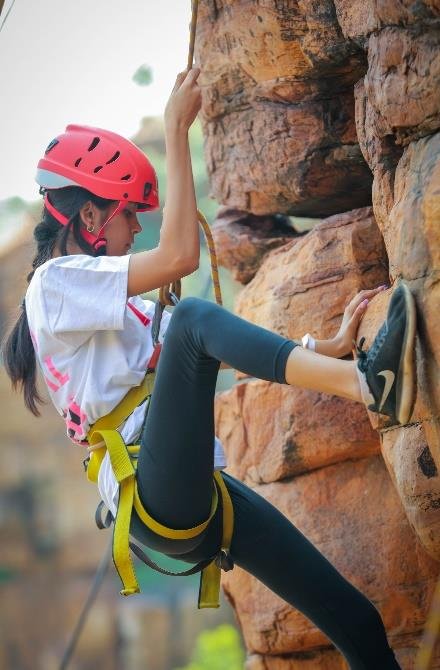
We began with basic rock climbing at Bhongir Fort. Poorna’s determination was evident. She never gave up, no matter how tough the challenge.
Out of the initial 110 students, 40 were selected for advanced training. Poorna was among them. She underwent rigorous preparation, including high-altitude treks in Ladakh and Darjeeling, and survival training in extreme conditions.
Despite the risks, including a deadly avalanche on Everest just a month before our expedition, Poorna remained steadfast.
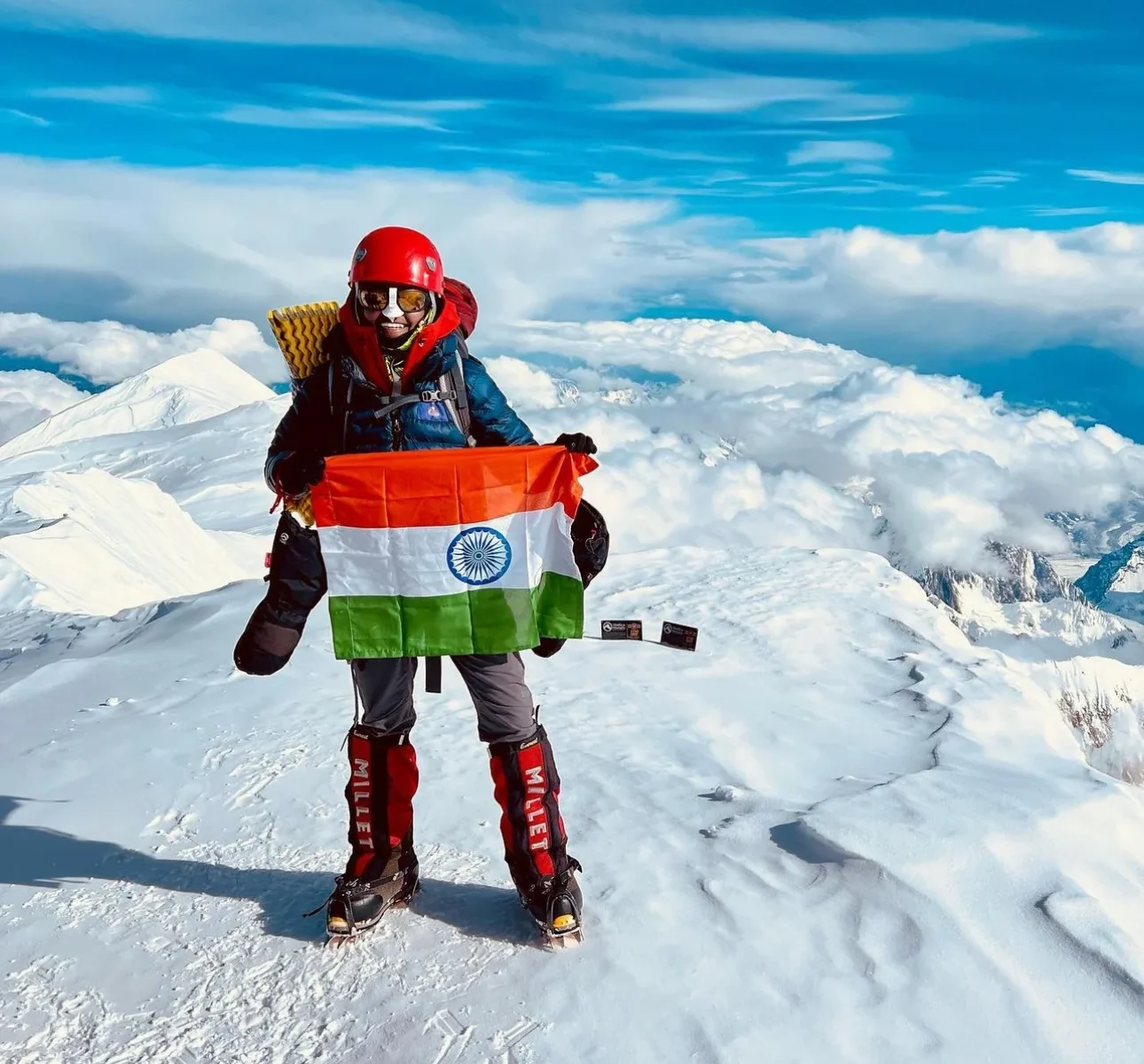
On May 25, 2014, at 6:00 AM, Poorna stood atop Mount Everest, becoming the youngest girl in the world to achieve this feat at 13 years and 11 months.
This achievement was as much hers as it was because of a collective effort from:
Dr. R.S. Praveen Kumar, the visionary behind the initiative.

The Telangana government, which provided unwavering support.

The Himalayan Mountaineering Institute in Darjeeling, which agreed to train our young climbers.

Poorna’s success inspired countless others, leading to increased school enrollments and a shift in societal perceptions about what children from marginalised communities can achieve.
This journey reaffirmed my belief: with the right support and opportunities, every child can reach their own Everest.

What makes a great climber?

What makes a great climber? I don’t want to straight talk about stamina or strength. That’s a primary.
But how you pack your bag is as important as anything else.

It’s an unsaid rule – you can’t have a backup plan on a mountain. I’d prefer an over-prepared climber vs a climber who is maybe an inch short of the prep and thinks he’ll leave the rest to luck.

So long-story-short – a careless packer is a careless thinker.

Someone who double-checks, distributes weight smartly, and keeps essentials accessible — that’s someone who will make good decisions on the mountain.

In adventure, the small things reveal the big things.

It’s the same with students.
Before the trek, we teach them how to fold a sleeping bag, adjust their backpack, or layer for the cold.
It might look basic – but that’s where it stacks up. Nothing is basic on a mountain.

They learn attention.
They learn responsibility.
And they learn that no one is going to carry their load for them — not in the mountains, not in life.

That’s why our programs start from the ground up. Not with lectures, but with intent-setting.

From one Poorna to many

image

In 2013, I was invited to lead a training program for 110 students from Telangana’s Social Welfare Residential Schools. These were children from tribal and marginalised communities — many had never left their villages, let alone seen snow.

Among them was a 13-year-old girl named Poorna Malavath from Pakala village in Nizamabad district. She was quiet, observant, and had a spark that stood out.

We began with basic rock climbing at Bhongir Fort. Poorna’s determination was evident. She never gave up, no matter how tough the challenge.

Out of the initial 110 students, 40 were selected for advanced training. Poorna was among them. She underwent rigorous preparation, including high-altitude treks in Ladakh and Darjeeling, and survival training in extreme conditions.

Despite the risks, including a deadly avalanche on Everest just a month before our expedition, Poorna remained steadfast.

On May 25, 2014, at 6:00 AM, Poorna stood atop Mount Everest, becoming the youngest girl in the world to achieve this feat at 13 years and 11 months.

This achievement was as much hers as it was because of a collective effort from:

  • Dr. R.S. Praveen Kumar, the visionary behind the initiative.
  • The Telangana government, which provided unwavering support.
  • The Himalayan Mountaineering Institute in Darjeeling, which agreed to train our young climbers.

Poorna’s success inspired countless others, leading to increased school enrollments and a shift in societal perceptions about what children from marginalised communities can achieve.

This journey reaffirmed my belief: with the right support and opportunities, every child can reach their own Everest.