
For students in Grades 8–12, learning does not happen only inside the classroom. Adolescence is an important stage of personal development, when students begin to build independence, take responsibility, work with peers, and make decisions with greater confidence.
A carefully designed outdoor adventure programme gives students the opportunity to learn through real experiences. Instead of simply reading about teamwork, resilience, or leadership, students experience these qualities while completing challenges together.
Learning Through Experience
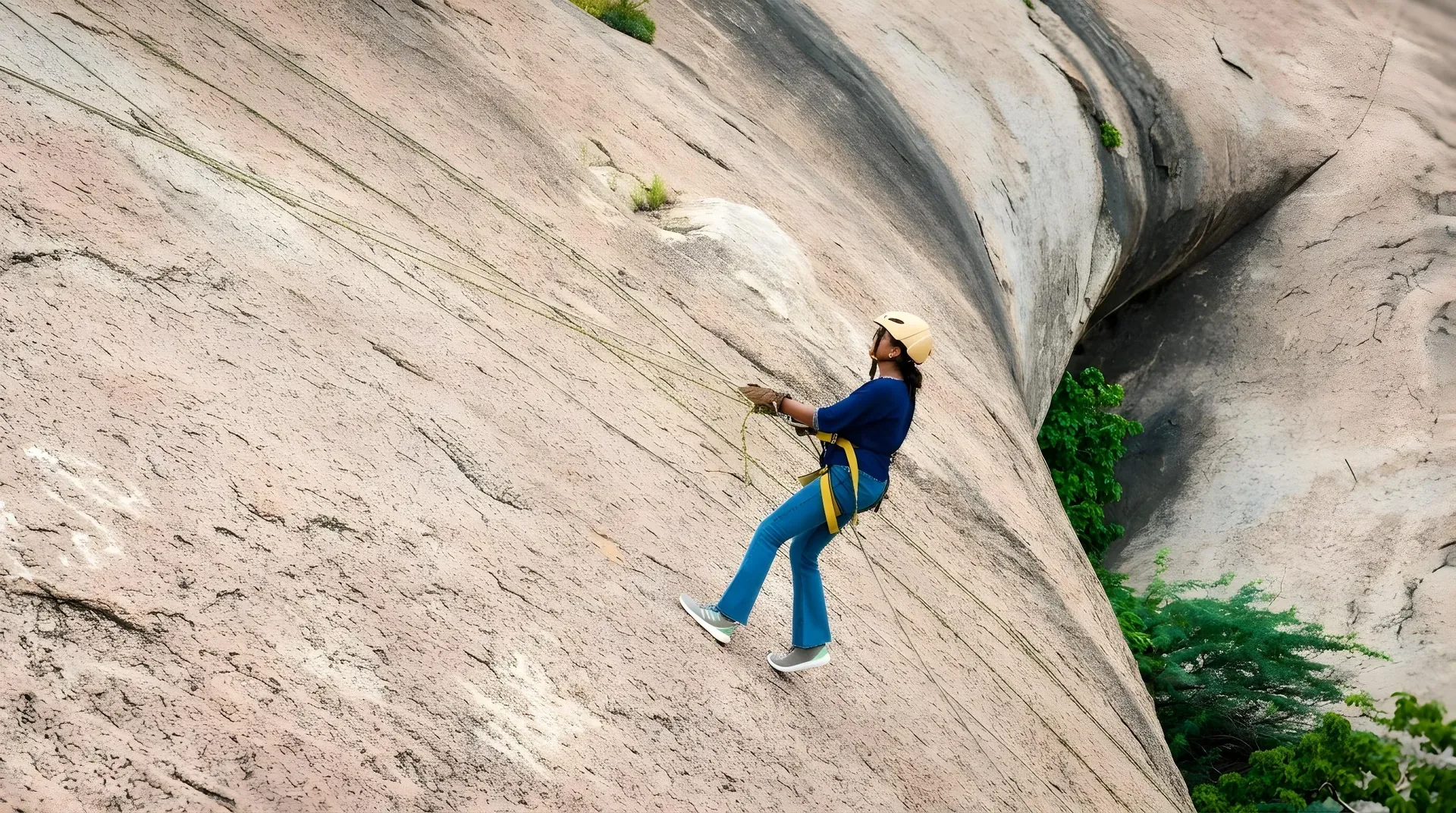
Adventure education uses activities such as trekking, rock climbing, rappelling, team challenges, and environmental activities to create meaningful learning situations. Students must listen carefully, follow instructions, assess challenges, and support one another.
Research on adventure-based learning indicates positive outcomes in areas such as peer relationships, motivation, social interaction, self-esteem, and psychological well-being among school-aged students.
The value of an outdoor programme lies not only in the activity itself, but also in the reflection that follows. Students can discuss:
- What challenged them during the activity.
- How they responded when something felt difficult.
- How the team solved problems.
- What they learned about communication and trust.
- How the experience connects with everyday life.
Building Confidence and Resilience
Many students initially feel uncertain when they face a new outdoor challenge. They may be nervous about climbing, stepping onto a zipline, hiking up a steep route, or working with unfamiliar classmates.
With proper instruction and encouragement, students learn to approach the challenge one step at a time. Completing a difficult task can help them recognise their own ability to learn, adapt, and persevere.
This does not mean that every student must perform at the same level. A good programme allows students to participate according to their readiness while encouraging progress, responsible decision-making, and mutual support.
Relevance to IB and CBSE Schools
For IB schools, outdoor programmes can provide opportunities for activity, reflection, collaboration, and personal growth. They can support discussions connected with qualities such as being a communicator, risk-taker, caring individual, reflective learner, and principled team member.
For CBSE schools, adventure education can contribute to life skills, physical development, teamwork, leadership, environmental awareness, and value-based learning. It can also complement school initiatives that encourage creativity, critical thinking, social responsibility, and holistic development.
Schools should treat these programmes as educational experiences rather than simply recreational trips. Before the outing, teachers can brief students on objectives and expectations. After the programme, students can complete a reflection activity, group discussion, journal entry, or presentation.
Learning Beyond the Classroom
Outdoor education also helps students connect with their surroundings. A fort, rock formation, forest trail, or natural landscape can become a setting for conversations about geography, history, conservation, local culture, and responsible tourism.
TARC’s Bhuvanagiri Adventure Camp, for example, combines adventure activities with a guided visit to Bhuvanagiri Fort, a historic fort built on a large monolithic rock formation. Students therefore experience physical challenge alongside history, geography, teamwork, and environmental learning.
A Meaningful School Outing
The best school outing is one that students remember not only because it was exciting, but because it helped them discover something about themselves and their classmates.
For Grades 8–12, a structured adventure programme can help students:
- Develop confidence through achievable challenges.
- Practise teamwork and communication.
- Improve decision-making and problem-solving.
- Build resilience and responsibility.
- Strengthen their connection with nature.
- Reflect on personal and group learning.
Adventure education is not a replacement for classroom learning. It is an extension of it—an opportunity to take important lessons beyond the classroom walls.
Planning an educational adventure programme for your students? Contact TARC to explore structured school programmes for Grades 8–12.